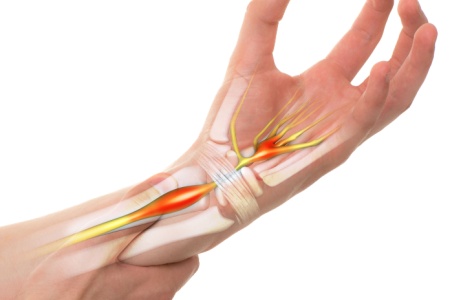
Carpal tunnel syndrome can cause pain, numbness, or tingling in the wrist, hand, and fingers. It develops when the median nerve, which travels from the forearm into the hand, becomes compressed inside a narrow passage at the wrist. The median nerve helps provide feeling to part of the hand and supports some hand movement. Symptoms can be noticed at night or after waking. As the condition becomes more severe, symptoms can also appear during the day and affect normal hand use, including gripping and handling small objects. Symptoms can affect one hand, or, in some cases, both hands.
Several factors can contribute to pressure on the median nerve. Repeated forceful hand movements, inflammation, and fluid buildup around the wrist can increase pressure in the carpal tunnel. Certain activities that repeatedly bend or extend the wrist can also trigger symptoms. People may have difficulty with tasks like turning a doorknob, fastening buttons, or opening a jar. A chiropractor can evaluate the wrist, arm, and nearby joints to identify movement restrictions that could affect symptoms. The evaluation can include checking joint movement, muscle function, and the way the arm and wrist work together.
Chiropractic care can focus on improving movement and function in areas that affect the wrist and hand. Hands-on techniques can be used to address restricted joint movement and muscle tension when appropriate. A chiropractor can also assess the neck, elbow, and wrist because nerves travel through several areas before reaching the hand. Persistent numbness or reduced feeling deserves attention because nerve problems can affect hand function. Early evaluation can help identify the source of symptoms and guide appropriate care. If you have symptoms of carpal tunnel syndrome, it is suggested that you schedule an appointment with a chiropractor for a diagnosis and appropriate treatment.
Carpal Tunnel Syndrome
Carpal tunnel syndrome, or CTS, is a condition caused by compression of the median nerve, which runs through the carpal tunnel in the wrist. This tunnel is a narrow passageway surrounded by bones and ligaments, and when it becomes compressed or inflamed, it can put pressure on the nerve. Symptoms of CTS include tingling, numbness, weakness, and pain in the hand and fingers, often making simple tasks difficult and uncomfortable.
Chiropractic care offers a non-invasive approach to managing CTS by addressing alignment and reducing nerve pressure. Chiropractors start by evaluating the wrist, elbow, and even the cervical spine or neck, as misalignments in these areas can contribute to nerve compression in the wrist. Through gentle adjustments, chiropractors can improve the alignment of the wrist and spine, helping to reduce the pressure on the median nerve.
In addition to adjustments, chiropractors may use soft tissue therapy, such as stretching and myofascial release, to reduce inflammation surrounding the wrist and enhance mobility.
Why Consider Chiropractic for CTS?
Chiropractic care can provide lasting relief by targeting the root causes of CTS, reducing pain, and promoting long-term hand and wrist health.
Can Chiropractic Care Address Repetitive Strain as a Cause of CTS?
Chiropractic care can help manage repetitive strain by improving joint alignment and recommending ergonomic adjustments.
If you have any questions, please feel free to contact our office located in Largo, FL .
