Blog

Elbow pain can make simple movements such as lifting, gripping, or reaching uncomfortable. The elbow is a complex joint where bones, muscles, and tendons work together to move the arm. Pain can develop from an injury, repeated movements, or irritation of the tissues around the joint. One common cause is tennis elbow, which affects the tendons on the outside of the elbow. Golfer’s elbow causes similar discomfort on the inner side. These conditions are not limited to athletes. Work tasks, recreational activities, and other repeated arm movements can place stress on the elbow over time. The location of the pain can provide useful information about which structures may be affected.
Elbow symptoms often depend on the cause of the problem. Some people notice tenderness around the joint, while others experience pain that becomes worse when gripping or moving the wrist. Certain conditions can also cause numbness or tingling when a nerve near the elbow becomes irritated. Pain may develop gradually from repeated stress or begin suddenly after an injury. Because several problems can cause similar symptoms, an evaluation can help identify whether the discomfort involves a tendon, joint, or nerve. Persistent elbow pain can interfere with work and other daily activities, especially when normal arm movement becomes limited or uncomfortable.
Chiropractic care may be helpful for certain types of elbow pain, particularly when joint movement and surrounding muscles are involved. A chiropractor can examine the elbow and evaluate related areas, such as the wrist and shoulder, to identify movement problems that may be contributing to discomfort. Depending on the findings, chiropractic treatment may include gentle joint adjustments, soft-tissue techniques, or supervised exercises designed to support mobility and function. An individualized approach is important because elbow pain can have several different causes. If persistent elbow pain, weakness, or limited arm movement is interfering with your daily activities, it is suggested that you consult a chiropractor for an evaluation and appropriate treatment options.
Elbow pain can make even simple tasks challenging, often resulting from repetitive movements, strain, or injuries. Conditions like tennis elbow, golfer’s elbow, and nerve entrapment are common culprits, leading to inflammation and discomfort in the tendons or surrounding tissues. Whether caused by sports, work activities, or an accident, persistent elbow pain can hinder mobility and strength.
Symptoms may range from sharp pain and stiffness to numbness or a weakened grip, interfering with daily life. While pain relief methods like rest can help, they may not address the underlying problem.
Chiropractic care focuses on identifying and treating the source of elbow pain. Through gentle adjustments, soft tissue therapies, and targeted exercises, chiropractors relieve tension, improve joint function, and reduce inflammation. This holistic approach helps not only to ease pain but also to prevent future issues, ensuring long-term comfort and mobility.
1. How does spinal alignment affect elbow pain?
Misalignments in the spine can compress nerves that travel to the arm, leading to referred pain or tension in the elbow. Correcting alignment helps relieve this pressure and improve function.
2. How can chiropractic care help prevent recurring elbow injuries?
Chiropractors identify movement patterns or misalignments that contribute to strain and provide strategies to improve mechanics. This reduces the likelihood of reinjury.
If you have any questions please feel free to contact our office located in Largo, FL .

Joint pain and stiff joints can make everyday movements more difficult. Joint stiffness can happen after a period of inactivity or from conditions that affect the joints and surrounding tissues. Arthritis, injuries, and inflammation can contribute to pain and stiffness. Some people notice stiffness when they first get up in the morning, while others experience symptoms after sitting or staying in one position for a long time. Joint pain can feel aching, sharp, or throbbing. Swelling, tenderness, and reduced movement can also occur. Symptoms can affect one joint or several joints, depending on the underlying cause. Paying attention to when symptoms begin and which movements make them worse can provide useful information.
A chiropractor can evaluate joint pain and stiffness by reviewing your symptoms and examining how the affected joints move. The examination can include checking range of motion, muscle strength, and areas of tenderness or swelling. A chiropractor can also ask about previous injuries, physical activity, and when the symptoms started. These details can help identify factors that could be contributing to restricted movement. Imaging or other testing can provide additional information when a structural problem is suspected. A thorough evaluation helps a chiropractor understand how joint stiffness is affecting movement and develop a treatment plan based on the patient's symptoms and physical needs.
Chiropractic care for joint pain and stiff joints can focus on improving movement and reducing discomfort. A chiropractor can use appropriate hands-on techniques to address restricted joint movement and tension in surrounding muscles. Treatment can also include exercises designed to improve strength, flexibility, and joint control. A chiropractor can adjust the treatment plan based on how the patient responds to care and changes in symptoms. Addressing movement limitations can help patients perform daily activities more comfortably. Persistent or worsening joint pain and stiffness should be evaluated rather than ignored. If you have symptoms of joint pain and stiff joints, it is suggested that you make an appointment with a chiropractor for diagnosis and treatment.
Joint Stiffness
Chiropractic care is a natural, non-invasive option for managing joint stiffness. Whether it is caused by arthritis, injury, or repetitive strain, joint pain can greatly impact daily life, limiting mobility and causing discomfort. Chiropractors focus on relieving joint pain by addressing alignment and functional movement in the affected areas, helping to restore comfort and flexibility.
Alleviating Joint Stiffness
When treating joint stiffness, chiropractors use a combination of gentle adjustments, soft tissue therapy, and mobilization techniques to reduce inflammation, ease stiffness, and promote better joint function. By aligning the body properly, chiropractic care can reduce the pressure on joints, allowing them to move more freely and reducing wear and tear over time.
In addition to adjustments, chiropractors often guide patients in targeted exercises to strengthen muscles surrounding the joints. These exercises, tailored to each individual, help improve joint stability and reduce the likelihood of future pain. Chiropractors may also provide lifestyle recommendations, such as ergonomic adjustments or nutrition tips, to support joint health and promote healing.
Why Consider Chiropractic for Joint Stiffness?
Chiropractic care addresses the underlying causes of joint stiffness, offering relief and improved quality of life. With regular care, patients often experience increased mobility, reduced pain, and a healthier, more active lifestyle.
Can Chiropractic Care Prevent Future Joint Stiffness?
Regular chiropractic care supports alignment, which helps prevent strain and reduces the likelihood of future joint stiffness.
If you have any questions, please feel free to contact our office located in Largo, FL .

If your muscles tighten suddenly or cramp without warning, it may be due to muscle spasms. These involuntary contractions often result from overuse, strain, or nerve irritation. Gentle adjustments can help reduce tension, ease pressure on nearby nerves, and support better mobility.
Relieve muscle spasms and restore comfort. Schedule your appointment today.
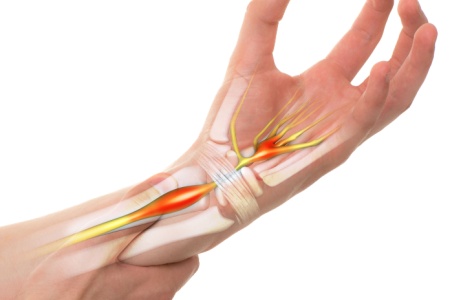
Carpal tunnel syndrome can cause pain, numbness, or tingling in the wrist, hand, and fingers. It develops when the median nerve, which travels from the forearm into the hand, becomes compressed inside a narrow passage at the wrist. The median nerve helps provide feeling to part of the hand and supports some hand movement. Symptoms can be noticed at night or after waking. As the condition becomes more severe, symptoms can also appear during the day and affect normal hand use, including gripping and handling small objects. Symptoms can affect one hand, or, in some cases, both hands.
Several factors can contribute to pressure on the median nerve. Repeated forceful hand movements, inflammation, and fluid buildup around the wrist can increase pressure in the carpal tunnel. Certain activities that repeatedly bend or extend the wrist can also trigger symptoms. People may have difficulty with tasks like turning a doorknob, fastening buttons, or opening a jar. A chiropractor can evaluate the wrist, arm, and nearby joints to identify movement restrictions that could affect symptoms. The evaluation can include checking joint movement, muscle function, and the way the arm and wrist work together.
Chiropractic care can focus on improving movement and function in areas that affect the wrist and hand. Hands-on techniques can be used to address restricted joint movement and muscle tension when appropriate. A chiropractor can also assess the neck, elbow, and wrist because nerves travel through several areas before reaching the hand. Persistent numbness or reduced feeling deserves attention because nerve problems can affect hand function. Early evaluation can help identify the source of symptoms and guide appropriate care. If you have symptoms of carpal tunnel syndrome, it is suggested that you schedule an appointment with a chiropractor for a diagnosis and appropriate treatment.
Carpal Tunnel Syndrome
Carpal tunnel syndrome, or CTS, is a condition caused by compression of the median nerve, which runs through the carpal tunnel in the wrist. This tunnel is a narrow passageway surrounded by bones and ligaments, and when it becomes compressed or inflamed, it can put pressure on the nerve. Symptoms of CTS include tingling, numbness, weakness, and pain in the hand and fingers, often making simple tasks difficult and uncomfortable.
Chiropractic care offers a non-invasive approach to managing CTS by addressing alignment and reducing nerve pressure. Chiropractors start by evaluating the wrist, elbow, and even the cervical spine or neck, as misalignments in these areas can contribute to nerve compression in the wrist. Through gentle adjustments, chiropractors can improve the alignment of the wrist and spine, helping to reduce the pressure on the median nerve.
In addition to adjustments, chiropractors may use soft tissue therapy, such as stretching and myofascial release, to reduce inflammation surrounding the wrist and enhance mobility.
Why Consider Chiropractic for CTS?
Chiropractic care can provide lasting relief by targeting the root causes of CTS, reducing pain, and promoting long-term hand and wrist health.
Can Chiropractic Care Address Repetitive Strain as a Cause of CTS?
Chiropractic care can help manage repetitive strain by improving joint alignment and recommending ergonomic adjustments.
If you have any questions, please feel free to contact our office located in Largo, FL .
